Success usually comes to those who are too busy to be looking for it.
— Henry David Thoreau, poet and philosopher
As the weather cools and the days shorten, our bodies naturally want to build reserves. It’s a clever response developed over thousands of years when fresh food wasn’t readily available during winter, but it’s nasty if you’re trying to lose weight or stay healthy. To make it worse, decreased sun exposure during winter months means decreased Vitamin D. It’s Vitamin D that’s essential for bones, teeth, muscles and mood regulation. A double hit.
Resist the urge to load up on carbs. Resist the urge to snuggle on the sofa and watch tv. Resist the excuses to over-indulge.
HERE ARE MY TOP FIVE AUTUMN FIT TIPS:
Eat warm: It’s cold outside, so keep your body warm inside. Think roasted veggies and lean meats.
Batch cook soup: Make enough to last several days. It takes minutes to heat-up, so you have no excuse for grabbing bread and butter instead. If your diet allows, add red meat for an extra boost of Vitamin D. Add sweet potatoes because they add richness and depth to any meal, but also because they’re high in Vitamin B6, C and D, as well as, magnesium and potassium—all of which keep your body strong and healthy.
Phone a friend: Excuses on your own are easy to make, but the buddy system keeps you motivated and prevents exercise boredom. Just go for a walk together if nothing else.
TV exercise: Another excuse eliminated. If it’s too cold or wet outside, then walk in front of the TV while watching your favourite programme. Throw in a few sofa squats too for a power boost to your legs.
Keep a food diary: The act of recording what you eat makes you more mindful and helps you understand if you are truly hungry or just bored.
You can Also Check Out The Cinderella Solution, How One Woman Discovered the Female Fat-Loss Code Missed by Modern Medicine And Lost 84lbs Using a Simple 2-Step Ritual That 100% Guarantees Shocking Daily Weight Loss
Whoever said you couldn’t use yoga to lose weight never tried these moves…
Sure, if you want to lose weight you need a diet that works for you (and eh hem, your lifestyle) and regular bouts of exercise. But that doesn’t mean you need to be going all-out every single day with sweat-dripping cardio or heavy weight-lifting to see results. Research shows that yoga can help in a weight-loss routine because it can boost flexibility, increase mental focus, and yes, burn fat. If you’re just getting started, try the “start with” moves to help you get in the groove. Once you feel comfortable with those, give yourself a challenge with the “make it harder” exercises. And don’t be surprised if you feel inclined to start showing off your new skills on Instagram soon—hey, if you’ve got it, flaunt it.
1.START WITH: CHAIR POSE
Start with feet slightly apart, inhale, and raise your arms straight overhead so your palms face in and your triceps are next to your ears. Exhale and bend your knees, pushing your butt back and lowering toward the floor as though sitting in a chair. Your torso will naturally lean slightly forward over the thighs; try to keep your shoulders down and back. Continue to take deep inhales and exhales; work your way up to holding the position for five breaths.
Works your: thighs, butt, abs, hips, arms
2.MAKE IT HARDER: CHAIR POSE WITH A TWIST
Hold chair pose, but rather than keeping arms straight overhead, lower them to chest level as you lower your legs. Then, bring your hands together as if they’re in prayer, and twist your upper body to the right so that your left elbow comes to rest gently on your right thigh. Keep abs tight, continue to take deep inhales and exhales; work your way up to holding the position for five breaths. Inhale and straighten your knees to return to start, then switch sides.
Works your: thighs, butt, abs, obliques, hips, shoulders, upper back
3.START WITH: DOWNWARD-FACING DOG
Start on the floor on your hands and knees, knees hip-width apart and hands directly under the shoulders. Spread your fingers wide and press your weight firmly across your hands and into the mat. Exhale as you tuck your toes and lift your knees off the floor. Reaching your pelvis up toward the ceiling and pushing your butt to the wall behind you, slowly straighten your legs (without locking your knees). Push your chest back toward the wall behind you, relax your neck, and let your heels drop as close to the floor as they can get. Continue to take deep inhales and exhales; work your way up to holding for 5 or more breaths.
Works your: legs, arms, shoulders, upper back, abs
4.MAKE IT HARDER: DOWN-DOG SPLIT, KNEE-TO-NOSE
From downward-facing dog, inhale and lift your left leg as high as you can behind you while keeping your hips square. Exhale and slowly bring your left knee to your nose, drawing your belly in toward your spine. On your next inhale, lift your leg back up to down-dog split. Repeat 5 times, then switch sides and repeat.
Works your: legs, arms, shoulders, upper back, abs, butt
5.START WITH: WARRIOR I
Start in downward-facing dog, then step your right foot forward between your hands so that you are in a low runner’s lunge. Turn your left heel slightly outward (so the toes point to your other leg), drawing left hip forward and right hip back so they stay square. Engage your abs and lift up into a high lunge, while lifting arms up, palms facing or touching. Continue to take deep inhales and exhales; work your way up to holding for five breaths. Return to downward-facing dog; switch legs and repeat.
Works your: legs, hips, butt, arms, shoulders, chest, abs, back
6.MAKE IT HARDER: WARRIOR III
From Warrior I, keep your abs tight and lower chest toward your right knee (placing your weight in the right leg), and lift left leg to bring your body parallel with the ground. Extend your arms out in front, shoulders away from the ears, with palms facing or touching (you can also rest your hands on your hips). Look down and point the crown of your head forward and the heel of your foot back, as if you were pushing against a wall. Continue to take deep inhales and exhales; work your way up to holding for five breaths. Lower your left leg and return to Warrior I; switch legs and repeat. Pro tip: if you need help with balance, practice with a chair in front of you that you can lightly hold whenever you need.
Works your: ankles, legs, arms, shoulders, back, abs, hips
7.START WITH: SUPERMAN
Lie facedown with legs together, forehead resting on mat, arms out in front of you with palms down. Squeezing your abs and butt, lift arms and legs directly up, holding your upper and lower body off the ground (your weight should rest on your lower belly and pelvis). Continue to take deep inhales and exhales; work your way up to holding for 5 or more breaths.
Works your: back, chest, shoulders, arms, butt, hamstrings, abs
8.MAKE IT HARDER: BOW POSE
Lie facedown, forehead resting on mat, arms on the floor by your sides, palms up. Exhale and bend your knees, bringing heels as close to your butt as you can. Reach back and take hold of your ankles, keeping knees hip-width apart. Inhale and lift your chest and thighs off the floor, pushing heels away from your butt. Make sure to keep your lower back relaxed, pressing your shoulder blades down and back. Continue to take deep inhales and exhales; work your way up to holding for 5 or more breaths. Slowly lower and release your ankles to return to start.
Works your: back, chest, shoulders, arms, abs, legs, hips
9.START WITH: TABLETOP ARM-LEG LIFT
Start on the floor on your hands and knees, knees hip-width apart and hands directly under the shoulders. Engage your abs and, keeping a flat back, straighten your left leg and lift it behind you, squeezing your glutes. At the same time, extend your right arm straight in front of you. Continue to take deep inhales and exhales; work your way up to holding the position for 3 to 5 breaths.
Works your: abs, butt, upper back
10.MAKE IT HARDER: PLANK ARM-LEG LIFT
This is the same move as before, except you’ll be in plank instead of tabletop! Start in plank position, hands directly under shoulders. Engage your abs and, keeping a flat back, lift your left leg up behind you and your right arm out in front of you. Continue to take deep inhales and exhales; work your way up to holding the position for 3 to 5 breaths. Pro tip: to make it easier, start with your feet slightly apart rather than together.
Quick And Easy Way To Add Vegetables To Your KETO-Diet
Some KETO dieters don’t eat enough vegetables throughout the day. In fact, 90% of Americans don’t get the recommended amount. Which is about 1 cup for “below the ground” vegetables or 2 cups for “above ground” leafy vegetables.
Below The Ground Vegetables
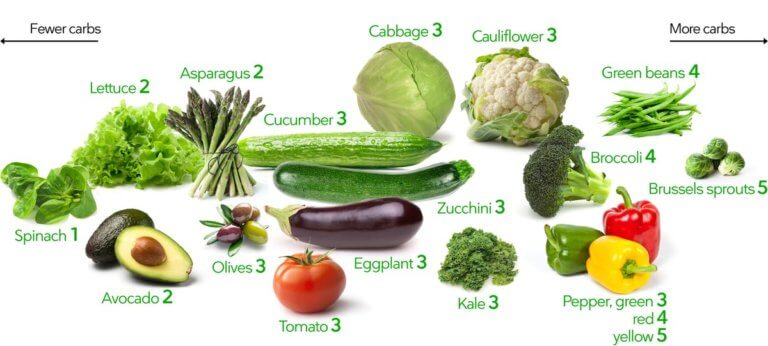
When on the Quick Weight Loss KETO-Program make sure to choose vegetables growing above ground, as those tend to have fewer carbs. As you can see in the photo below, these vegetables are dark and leafy. Anything that resembles kale or spinach are the leafy greens that contain less than 5 grams of carbs – which can be eaten freely with some MCT oil or butter. It’s hard to over-eat spinach, lettuce, kale, and asparagus. Most of these vegetables are rich with fiber, potassium, vitamin A, vitamin C, and much more.
Above The Ground Vegetables
If you’re on Quick Weight Loss KETO- Program you should be especially careful with tomatoes and bell peppers – these carbs add up fast towards the 20-gram daily intake limit. Just one bell pepper may contain up to seven grams of carbs.
Top 15 Low Carb Vegetables (KETO Approved)
It can be hard to keep up with vegetable consumption when you have a busy lifestyle. Buying all these vegetables a couple of times a week can get expansive and quite messy in your kitchen.
When on the KETO diet, most people focus on their macros but don’t do it on the expanse of your micro-nutrients.
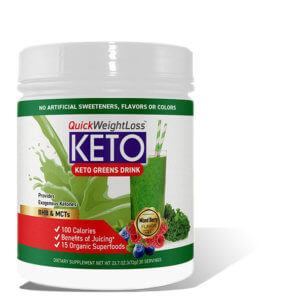
KETO-GEENS is a mixture of 15 organic superfoods that provides the benefits of juicing in a delicious berry flavor. It has an average of 2 grams of net carbs per serving, BHBs to help you burn more fat, and MCTs to stimulate weight loss and improve mental clarity.
Quick Weight Loss Keto-Greens has a delicious berry flavor and designed to fit into your busy lifestyle. It’s a convenient 100 calories pick-me-up, which makes Keto-Diet on the go easy.
Alfalfa grass is rich in vitamins, minerals and has eight of the essential amino acids, and it is low in calories. Its main ingredients are Vitamin C, Thiamin, and Magnesium.
Organic Wheat Grass
Many people add wheatgrass to their diet as a quick and easy way to boost their weight loss efforts. Wheatgrass has thylakoids, which have been found to increase weight loss efforts.
Organic Barley Grass
When added to a healthy diet, barley grass has been shown to help stimulate weight loss. It also balances blood sugars and keeps hunger in check, by preventing mid-afternoon cravings. Barley Grass also improves sleep, promotes weight loss, enhances energy, and stimulates digestive health.
Organic Lemon Juice
Lemon juice is known to reduce the body’s metabolic rate, which is an effective way to lose weight. Along with vitamin C, lemons are also rich in calcium, phosphorus, and potassium.
Organic Gotu Kola
Gotu Kola is an herb that helps improve wound healing and easing anxiety. To maximize its impact, combine Gotu Kola with a balanced KETO-Diet.
Organic Kale
Kale is very high in antioxidants, which have numerous beneficial effects on health. Kale is one of the world’s best sources of Vitamin C and Vitamin K.
Organic Astragalus
Astragalus root is known to be one of the most powerful immune-building plants on earth. The Astragalus root has many benefits including fighting diseases and revealing stress.
Organic Spirulina
Spirulina, just like plants gets its energy from the sun. It is also known to increase fat burning during exercise. Spirulina binds with heavy metals in the body and helps remove them.
Organic Bitter Melon
Bitter Melon is a tropical vine that belongs to the gourd family and is closely related to vegetables like squash and zucchini. It is an excellent addition to KETO weight loss diet, as it is low in calories and high in fiber.
Organic Oat Grass
Oat grass is part of the cereal grass family, and it can nourish and strengthen your nervous system. This grass contains essential nutrients for a healthy body like enzymes like; vitamins, and chlorophyll.
Organic Chlorella
Chlorella is an all-natural superfood that boosts your energy, supports fat loss and helps detox heavy metals like mercury out of your body.
Organic Carrot Root
A small. Forked purple or yellow root, is a valuable source of antioxidants and Vitamin A. Vitamin A may help prevent premature wrinkling, acne, pigmentation, dry skin, and blemishes.
Organic Moringa
Moringa is a highly nutritious source of vitamins and minerals. Moringa may lead to reductions in cholesterol and blood sugar. It may also serve as an antioxidant and anti-inflammatory, for people lacking in essential nutrients.
Organic Broccoli Sprout
Broccoli Sprout is the precursor to mature broccoli. They are rich in nutrients and fiber and are low in fat. Broccoli sprouts are nutrient dense foods that contain minerals, vitamins, and antioxidants.
Are you thinking about starting one of our programs, and are not sure what it will be like; How much would your life change? Can you still attend the parties you had planned? Or will you be able to go to a restaurant? Or maybe you planned a vacation. You have questions, we get it. Well, we’ve got your answers here.
The first few days on the program are going to be the hardest. Rather than anything physical, the greatest difficulty will be in adjusting to any social and psychological annoyances that may arise first. However, the dramatic weight loss is what helps to keep you motivated to continue.
Depending on your condition, you may lose 5 to 12 Ibs. in the first two weeks. This is where you encounter the first major problem. Often those first two astonishing weeks set you up for a letdown if you should lose only 2 to 3 Ibs. in week three. And that’s when the support and guidance of your coaches are very necessary to keep going.
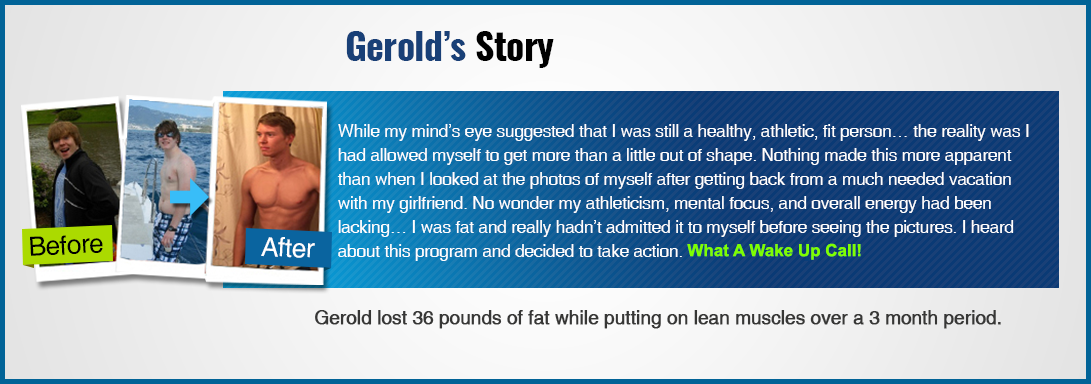
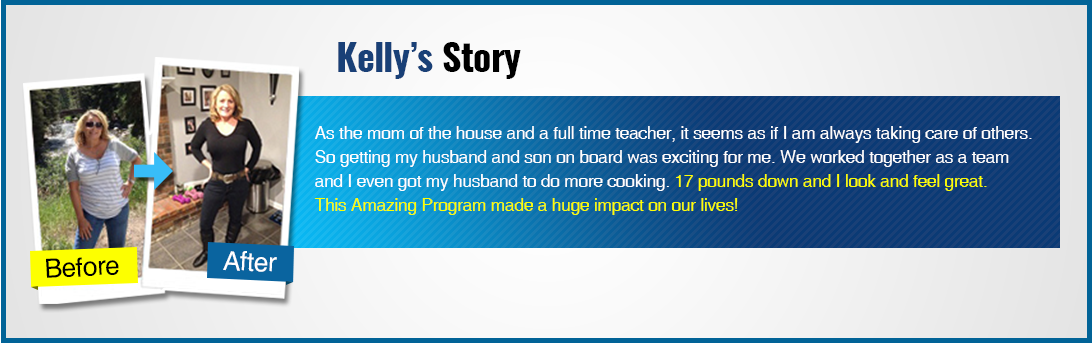
No results are typical, but the major weight loss may last only the first month or two, as it did for Jil and Raul, who lost 135lbs. Or you might lose weight each week consistently as Lucy has, who ended up losing 49 lbs! There are fewer and shorter plateaus on this program than others.
Female hormones can cause a woman to retain water, so women are more likely than men to level off. Water retention is no reason to cut down on the amount of fluid you should drink, water is a natural diuretic. However, it may be best to reduce the intake of diet soda, as it contains a trace of sodium which promotes water retention.
Losing weight, then, requires you either take in less food or burn more of what you are taking in. Or both. Lose Weight Fast Centers uses BOTH approaches in its system of weight loss and weight control.
The real critical stage in the program is when you are at 80% of your desired loss. Your expert coaches help by reminding you, at this point, that you committed yourself to go down all the way. Because of the metabolic changes that occur in an overweight person, you must go all the way. It’s great to lose 60 Ibs. but if you need to lose 100 Ibs., it’s not great enough. This last motivation is really important because it’s difficult to stabilize your weight when excess fat remains on the body.
Lose Weight Fast Expert Coaches support you every step of the way and make the difference to ensure you achieve success. The coaches are the key to your results!
After decades of research, there are shockingly few firm conclusions.
You’d think that scientists at an international conference on obesity would know by now which diet is best, and why. As it turns out, even the experts still have widely divergent opinions.
You’d think that scientists at an international conference on obesity would know by now which diet is best, and why. As it turns out, even the experts still have widely divergent opinions.
At a recent meeting of the Obesity Society, organizers held a symposium during which two leading scientists presented the somewhat contradictory findings of two high-profile diet studies. A moderator tried to sort things out.
In one study, by Christopher Gardner, a professor of medicine at Stanford, patients were given low-fat or low-carb diets with the same amount of calories. After a year, weight losswas the same in each group, Dr. Gardner reported.
Another study, by Dr. David Ludwig of Boston Children’s Hospital, reported that a low-carbohydrate diet was better than a high-carbohydrate diet in helping subjects keep weight off after they had dieted and lost. The low-carbohydrate diet, he found, enabled participants to burn about 200 extra calories a day.
So does a low-carbohydrate diet help people burn more calories? Or is the composition of the diet irrelevant if the calories are the same? Does it matter if the question is how to lose weight or how to keep it off? There was no consensus at the end of the session. But here are a few certainties about dieting amid the sea of unknowns.
What we know
People vary — a lot — in how they respond to dieting.
Some people thrive on low-fat diets, others do best on low-carb diets. Still others succeed with gluten-free diets or Paleo diets or periodic fasts or ketogenic diets or other options on the seemingly endless menu of weight-loss plans.
Most studies comparing diets have produced results like Dr. Gardner’s: no difference in weight loss between study groups as long as the calorie intake was kept equal. But within each group, there always have been a few individuals who lost a lot of weight, a few who did not lose any weight, and a few who actually gained.
Dr. George Bray, an obesity researcher who is emeritus professor at the Pennington Biomedical Research Center in Baton Rouge, La., sums it up this way: “Eat the diet you like and stay with it.”
There is nothing new in the diet universe.
Many of the diets people swear by today have been around in various incarnations for decades. More than a century ago, a best-selling book, “How to Live,” told Americans that the only way to lose weight was to count calories.
Low-carbohydrate diets were introduced by a London undertaker, William Banting, in 1863 and became so popular that one word for dieting was “banting.”
Diet studies are insanely difficult.
Most are short-term, and often it is hard to know if subjects really adhere to the plans they were given. Few studies follow participants for a year or more to see if they kept the weight off. Little of this research is ever definitive, and most of it leaves plenty of room for skepticism, argument and debate.
Dieting for better health is not necessarily the same as dieting to lose weight.
Any diet that restricts calories will result in weight loss, but some diets simply are not healthy even if you are shedding pounds.
They also agree that people with diabetes or high blood sugar levels often benefit from a diet low in carbohydrates.
What we don’t know
Why do people have such varying responses to diets?
Is it genes? Dr. Gardner looked at participants in his study to see if he could find genes that predicted their responses to their assigned diets. He could not. Other scientists also have failed to find particular genetic predictors.
That does not mean there are no genes involved in diet and weight loss. But it is hard to disentangle those effects from other possibilities. Motivation, for instance: One person may be mentally ready to diet, while another might make only a halfhearted effort, surrendering to temptation after a short time on the assigned diet.
Some researchers believe that the body’s production of insulin in response to dietary carbohydrates may explain why some dieters lose weight and others do not. Dr. Ludwig found such a link in his study. But Dr. Gardner found no such effect, and the moderator of the symposium, Kevin Hall of the National Institutes of Health, argued that the disputed link does not hold up to close scrutiny.
Is there a diet that prevents you from regaining lost weight?
No one wants to regain the weight so painfully lost. The problem is that the body fights to get back the fat, lowering the metabolic rate and driving a voracious appetite.
Dr. Ludwig was trying to ameliorate this effect with a low-carbohydrate diet. Whether it worked is still subject to scientific debate, and for now the question is still open.
Dr. Ludwig, an advocate of low-carbohydrate diets, and Dr. David Allison of Indiana University, an all-around diet skeptic, are conducting a more extensive study. Participants will be housed in a residential treatment center for 13 weeks while their calorie intake is controlled and their metabolic responses to various diets are measured.
Have sugary foods been making people fat?
We just don’t know to what extent added sugar contributes to the obesity epidemic. Many scientists think it is a factor, but not necessarily more potent than some others, such as refined grains.
As Dr. Ludwig and his colleagues noted in a recent review, people in Western countries get more calories from starchy foods than from sugar. In Australia, people have been cutting back on added sugars since the 1990s even as the population has grown steadily fatter.
No one is advocating a diet of sugary foods, but many leading researchers are hesitant to blame a single ingredient for widespread obesity.
Why have people become fatter in recent decades?
The big unanswered question. The problem here is that so many things changed in our society while the obesity epidemic gathered steam.
Some changes ought to have lowered weights: the availability of cheaper, fresher fruits and vegetables; the popularity of walking and gyms; increased nutrition education in schools, and improvements to school lunches.
Other societal trends could have encouraged weight gain: ever-larger portion sizes; a growing tendency to snack all day; more people eating more meals out; and a cultural acceptance of overweight to the point where it now seems almost normal.
And then there is the decline in smoking. It has been an enormous health benefit, of course. But smokers weigh less than nonsmokers on average; when people stop smoking, their weight usually goes up.
How are these forces working together to drive up weight over all? That, no one knows.
When it comes to losing weight, the details don’t matter much. It’s the principles that count.
Every legitimate nutrition expert, whether a popular diet guru or a representative of the medical nutrition establishment, agrees that there are some fundamental principles of healthy weight loss that apply to everyone. No matter how much they are disguised, these principles are at the core of every good diet plan, be it a dietician’s plan or a bestseller’s. And nobody achieves permanent weight loss and optimal health without obeying these principles, consciously or unconsciously. While there appears to be no single right way to eat for health and weight loss (on the level of details), you need to be aware of the basic principles. This will help you avoid those diet plans that do in fact break them and choose the specific plan that is best for you.
“It’s the people who understand the principles who do well long-term,” says Arthur Agatston.
Critics of popular diets frequently claim that such diets encourage unbalanced eating by declaring certain foods and even whole food groups off-limits. The example they almost invariably point to is the infamous cabbage soup diet. But that’s a pretty extreme example.
What the critics overlook is the fact that the average American diet is rather unbalanced to begin with: heavy on animal foods, processed foods, fried foods, and sweets and light on fruits, vegetables and whole grains. It’s hard to find a popular diet that doesn’t encourage dieters to consume a variety of fresh, natural plant foods, and thereby support, if not a perfectly balanced diet, then at least a more balanced one.
In Cracking the Metabolic Code, James LaValle, a pharmacist and naturopathic physician based in Cincinnati, OH, explains how nutrient imbalances of various sorts can lead to weight gain, and conversely, how improving nutrient balance can facilitate weight loss.
To give one example, an underactive thyroid gland is a common cause of slow metabolism and, consequently, weight gain. Among the many factors that can lower thyroid function are high levels of adrenal stress hormones such as cortisol, and as LaValle points out, “Eating a lot of sugar triggers the release of adrenal hormones.” The average American diet comprises 18% sugar. The average popular diet most certainly does not!
A spate of recent research has shown that when we eat is almost as important as what we eat with respect to optimizing our body composition. “We’ve learned that it’s essential to coordinate energy intake with energy expenditure,” explains John Ivy, Ph.D. and coauthor of Nutrient Timing (Basic Health, 2004). “Calories are put to their best possible use when they are consumed at times when there is a strong demand for them in the body.”
Morning is a time of relatively high caloric demand. Calories consumed in the morning are more likely than calories consumed later in the day to be used for energy than stored as fat. In fact, a study from the University of Massachusetts found that those who regularly skip breakfast are 4.5 times more likely to be overweight than those who eat it most mornings.
Eating smaller meals more frequently (five or six times a day) is another proven way to better coordinate food intake with energy needs. According to statistical data, the average American eats three large meals per day.
Research has shown that simply paying attention to what you eat is one of the more effective ways to reduce your caloric intake. Self-monitoring strategies are a key habit among members of the National Weight Control Registry, a research pool comprising several thousand men and women who have lost an average of 66 pounds apiece and kept the weight off an average of 6 years. “They’re very conscious of their eating,” says Suzanne Phelan, Ph.D., a spokesperson for the NWCR. “About half of them report that they are still counting calories and fat grams.”
Another useful self-monitoring habit that is common among both the NWCR subjects and those pursuing weight loss on popular diets is weighing. According to Phelan, this habit allows the subjects of her study to avoid the insidious upward creep that is the undoing of many initially successful diets. “Because they are weighing themselves as often as they do, they can catch these slips,” she says. “If they do something about it right away, they’re much more likely to be successful in the long term.”
Just about every popular diet has a “forbidden foods” list. The specific foods and food types that make the list and how strictly they are forbidden differ from one program to the next. The Atkins diet forbids virtually all high-carbohydrate foods. The Ornish diet forbids animal foods. Peter D’Adamo’s blood type diet forbids a long laundry list of seemingly unrelated foods for each of the four basic bloods types.
No weight loss diet can succeed without restriction of the foods that are most responsible for creating large body fat stores. A majority of mainstream nutrition experts agree that the “bad fats” found in many processed foods and animal foods and the “bad carbs” in sweets and processed foods are the primary culprits. Interestingly, nearly all of the members of the NWCR choose to restrict intake of high-fat foods. “Only seven percent are on a low-carb diet,” says Phelan.
Mainstream nutrition experts warn against taking food restrictions too far, however. “To eliminate specific foods and food groups, especially those people enjoy, is a recipe for disaster and can lead to feelings of deprivation, not to mention nutritional imbalances,” says Elisa Zied, M.S., R.D., a spokesperson for the American Dietetic Association.
James LaValle prescribes only “soft” restrictions to his clients and in the many nutrition books he’s written. “You get gurus who say, ‘You can never eat another dessert again,’” he says. “That sets up a guilt complex in people.” When the options are all or nothing, there is no happy medium between being on the diet and miserable and being off it completely.
The concept of caloric density, or energy density, refers to the number of calories per unit volume in a given food. A food that packs a lot of calories in a small area is said to have high caloric density. Because water and dietary fiber are non-caloric, foods that contain a lot of water and/or fiber tend to have low caloric density. Generally speaking, processed foods are calorically dense, while fruits and vegetables, with their high water and fiber content, are less dense.
Caloric density is important for those seeking to lose weight because research has shown that people tend to eat a consistent volume of food regardless of the number of calories it contains. In a Penn State study, women were fed either a high-density, medium-density, or low-density meal three times a day. The subjects in all three groups ate the same weight of food, but the women eating the high-density meals took in 30% more calories than the women eating the low-density meals.
Healthy eating is not like a vaccine: one shot and you’re covered for life. Instead it requires a daily, lifelong commitment. There is growing evidence that the more consistent you are in your wholesome eating habits, the greater your chances of maintaining a healthy body weight.
Again, the members of the National Weight Control Registry set an example. “One of our most recent findings is that they do maintain a very consistent eating pattern,” says Phelan. “Unlike many dieters, they tend to eat the same during the week as on the weekends. The same holds for the holidays versus the rest of the year. They tend to have a consistent eating pattern throughout the year.”
A persistent myth of dieting is that those who achieve long-term success start off with a more moderate, slow-and-steady approach than the crash dieters who take on severe restrictions only to bail out after a few weeks or months and regain their weight. According to Phelan, there is no evidence that the long-term successes start off differently. The real difference is that they simply keep doing what they started doing!
Why are some dieters able to maintain their healthy new lifestyle indefinitely while most others peter out after a few weeks or months? This is currently one of the hottest questions in weight loss research. As yet there is no definitive answer, but there are indications that it’s mostly about motivation.
Certain types of triggers for weight loss diets are more likely to yield long-term success than others. For example, “One thing we’ve found is that people who have medical triggers for their weight loss are more successful in the long term than people who don’t,” says Phelan. There’s nothing like a near-death experience to keep you on the straight and narrow path of healthy eating!
More evidence for the motivation explanation comes from the fact that just about every other explanation can be eliminated.
It is often assumed that successful dieters have more inherent willpower. However, most members of the NWCR actually failed in several weight loss initiatives before they finally succeeded, indicating that something about their circumstances rather than their psychological makeup was the key.
“Bad genes” that resist weight loss are also frequently blamed. And yet, says Phelan, “Many of [the NWCR members] have parents who were overweight or were overweight themselves as children, which suggests they may have a genetic predisposition to obesity, but they still manage to lose weight.”
Each of us is unique – metabolically, psychologically, and circumstantially. For this reason, there’s no single diet plan that works well for everyone. “Each person needs to find what works for him- or herself,” says Zied. But there are underlying principles of healthy nutrition and dieting that do apply universally. Understanding these principles is essential to finding the right plan for you.
Forget fad diets, unsustainable exercise plans and endless hunger; losing weight is about lifestyle changes and healthy choices. If you’re wondering how to lose weight, we’ve got a simple how-to guide just for you. It’s true that losing weight requires a lot of dedication and hard work, but this guide isn’t about a harsh diet plan or intense exercise regimen. It’s about learning how to make healthy choices every day, and feeling great because of those choices. Follow these guidelines on how to lose weight and start shedding excess pounds quickly.
Running is a great way to burn calories and lose weight.
Weight Loss Guidelines
1. Drastically cut your starch and sugar intake. Cut back on simple carbs as much as you can. If you can cut them out of your diet completely, you will lose weight even faster. An easy way to remember this rule is to cut out anything white (other than cauliflower and white beans). White bread, white pasta, white rice, potatoes and added sugar should all fall by the wayside when you’re trying to lose weight.
2. Eat whole foods. A nutritious diet is well balanced and chock full of “whole” foods. Whole foods are essentially unprocessed food: Vegetables, fruit, meat, nuts, whole grains and seeds that are prepared at home should make up most of your diet.
3. Include healthy fats and protein in your diet. Protein and fat not only keep you fuller longer than veggies and fruits alone, they also can boost metabolism. Meat, seafood, eggs, beans and lentils are excellent protein sources. Olive oil, coconut oil, avocado, nuts and full-fat dairy are great sources of healthy fats.
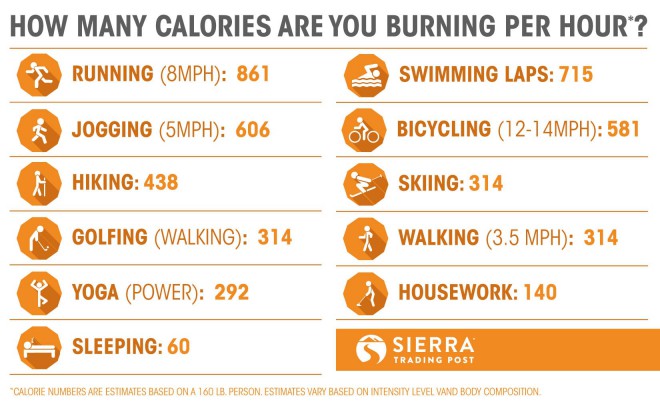
4. Exercise! If you want to lose weight fast and have a healthier lifestyle, you have to incorporate exercise into your week. Many health professionals recommend working out at least three times a week. The intensity, duration and amount of exercise you do will determine how many calories you burn, and in turn how much weight you lose.
Take a look at the calorie chart below to get a better idea of how many calories you’re burning when you work out. Calorie estimates are based on a 160 lb. person and an hour of activity.
5. Monitor you caloric intake and output. If you want to lose weight really quickly, you may want to monitor your caloric intake and output. Some people find counting calories to be stressful, which makes sticking to a weight-loss plan difficult. But, others find calorie counting to be helpful and motivational. It’s up to you.
Weight Loss Tips
1. Cross train. Mix it up! If you usually run for exercise, try to take at least one day a week to do something different, like weight lifting or yoga. Doing something different for exercise will make you stronger and burn more calories.
2. Eat a protein-packed breakfast. Eating a breakfast that’s high in protein will keep you fuller longer, so you eat less throughout the day. High-protein breakfast options include eggs, yogurt and nut butters.
3. Drink lots of water. There have been quite a few studies done on the affect of drinking water on weight loss and appetite control. Some show that water can increase the amount of calories you burn when working out, and others show that drinking water before a meal can decrease the amount of calories you eat during a meal. Bottom line: drink your water!
4. Practice portion control. Pay attention to how much food you serve yourself. You can drastically cut calories by eating slightly smaller portions than you usually do.
5.Plan ahead. It’s really easy to deviate from your wholesome diet when you haven’t planned or prepped food for your meals. Bring your lunch to work and plan your dinners to make eating healthy easier.
6. Get a good night’s sleep. Sleep is hugely important for mental and physical health. Make sleep a priority.
While many people have different approaches to weight loss, one thing remains true: In order to lose weight, you need to burn more calories than you’re taking in. The old rule of thumb used to be to cut 500 calories a day (through diet, exercise or both) in order to lose one pound in one week. However, many health experts disagree.
The truth is that weight loss varies widely from person to person, especially when losing small amounts of weight over a long period of time. So, while I can’t be specific on how much weight you’ll lose with certain calorie deficits, I can say with confidence that a caloric deficit will lead to weight loss over time. Every body is different, and every person’s body loses weight differently. You’ll have to experiment with yours to see what works best for you.
CHECK OUT!!!
How One Woman Discovered the Female Fat-Loss Code Missed by Modern Medicine And Lost 84lbs Using a Simple 2-Step Ritual That 100% Guarantees Shocking Daily Weight Loss




























 Lose Weight Fast